Australian scientists create new class of titanium alloys
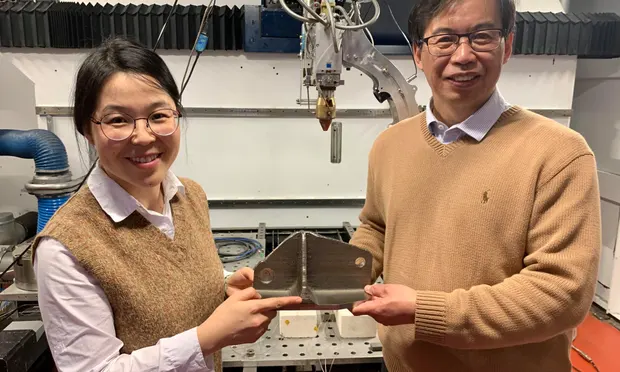
Scientists have created a new class of titanium alloys using laser 3D printing, which they say could improve the sustainability of the titanium industry and be used in aerospace and biomedical engineering.
Titanium is a key metal in many industries and is prized for its high strength, lightness and durability.
Prof Ma Qian of RMIT University in Melbourne, who led the new alloy development, described titanium as “a magic metal”.
“It’s biocompatible and every year more than 1,000 tonnes of titanium metal is made into bone implants [globally],” he said. More corrosion-resistant than stainless steel in seawater, it is also used widely in submarines and desalination plants.
“Without titanium alloys, we wouldn’t be able to fly as we can today,” Qian said, adding that titanium constitutes about 20% of the weight of a typical aircraft.
The mainstay of the titanium industry is an alloy known as Ti-6Al-4V, which contains 6% aluminium and 4% vanadium. Invented in 1954, this single alloy accounts for more than 50% of the entire market of titanium, Qian said.
The new alloy, 3D-printed from metal powder, does away with the need for aluminium and vanadium, using the readily abundant elements oxygen and iron instead, which are also cheaper to source.
Alloys with a high oxygen and iron content have traditionally been considered scrap titanium. The presence of oxygen can make the metal brittle – often referred to as the “kryptonite of titanium” – while iron has a tendency to segregate into defect flecks.
Using 3D printing, however, allowed the scientists to produce nanoscale-sized titanium crystals within the alloy and to carefully control the distribution of oxygen and iron atoms. As a result, some parts of the alloy are stronger and others more ductile (able to be drawn into wire) – and the material is not brittle under tension.
The new material rivals conventional titanium alloys in strength, said co-lead researcher Prof Simon Ringer, who is also pro-vice-chancellor at the University of Sydney.
One advantage of the 3D-printed alloy was the ability to tweak parameters during production to give the material “gradient properties”, Ringer said. “You can build a thing that would have certain properties in one bit and other properties in another bit.”
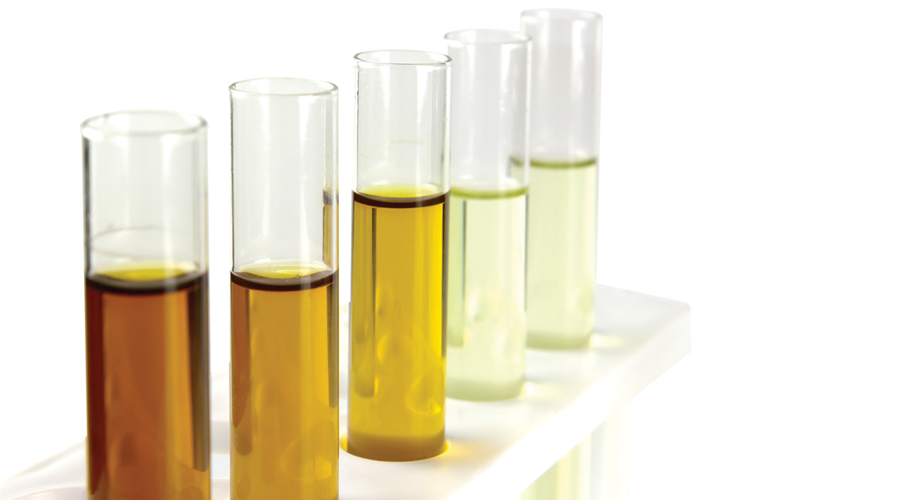
Renewable diesel, a promising nickel catalyst turns fat to oil
According to the International Energy Agency, renewable fuel demand is expected to grow rapidly over the next few years.
Learn more
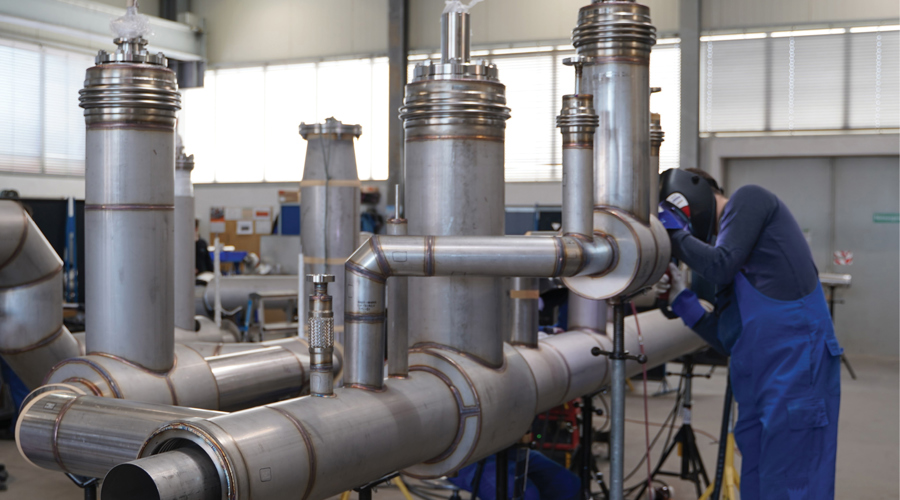
Nickel – a VIP solution…
Vacuum insulated piping (VIP) makes it possible to transport liquefied gases at temperatures well below 0 °C to facilitate the energy transition
Learn more
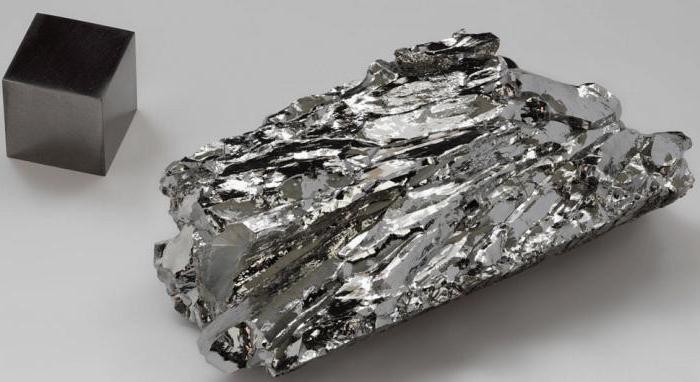
Metal with the highest melting point
Tungsten is the metal with the highest melting point and highest tensile strength of all pure metals. This makes it extremely useful. Only the non-metallic element, carbon, has a higher melting point.
Learn more
Stainless Steel Mix and Match – Some Do’s and Don’ts
Can you mix stainless alloys in the same construction? What guidelines are there for mixing and matching alloys for success? Let’s look at a few cases.
Learn more
Contacts
Unit 1503, 15/F, Admiralty Centre Tower 1, 18 Harcourt Road, Admiralty, Hong Kong
© All rights reserved 2026
We will answer all your questions
© All rights reserved 2026